
Telephone
+86.17749509387
+86.(025)5223 8890

WordTech
2025-11-12 17:08:58
0
In spite of the speed and scale of AI dubbing, it also causes fresh questions about data privacy, voice ownership, and cultural nuance. Can synthetic voices deliver a performer’s emotion effectively and accurately? What safeguards can prevent cloned voices from causing privacy risks? And when does a project still demand the irreplaceable artistry of human actors? We will go on talking about it.
What Is AI Dubbing?
AI-powered dubbing points to the application of artificial intelligence to having automation of the process of translating, voicing, and syncing spoken dialogue in video content. It employs advanced speech synthesis, natural language processing (NLP), and machine learning to have production of realistic, context-aware audio tracks in different languages.
Different from conventional dubbing demanding human voice actors, translators, and audio engineers, AI video dubbing can have generation of multilingual voiceovers nearly without human intervention. It not only translates the text but also mimics tone, emotion, and timing, making it sound awesomely natural.
In some AI dubbing platforms, the lip movements of the speaker are even matched to the translated audio known as AI lip-syncing, thus making a seamless, immersive viewing experience.
Is Dubbing AI Safe?
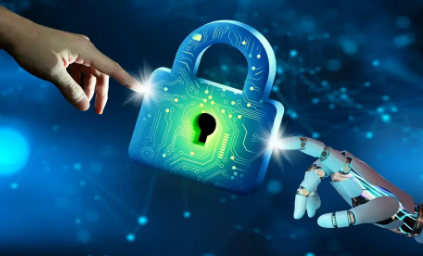
That’s a fair concern. With all this powerful technology, it’s of essence to ask whether or not AI dubbing is secure and ethical. Similar to various AI applications, voice dubbing involves cooperation with sensitive data, partivoice samples. It is due to the fact that severe problems associated with privacy will have their appearance if samples aren't processed appropriately that it’s essential to choose a provider following some certain rules and regulations and having strict data protection measures in place.
Consent is another big concern. AI can replicate a person’s voice almost perfectly, meaning that it’s possible to create audio sounding like someone, even without their agreements. Ethical providers require explicit consent before cloning a voice and guarantee that users have control over the ways that voice is used.
There’s also the potential for misuse. The same technology powering AI dubbing can be used for the creation of some improper things. What has been mentioned doesn’t mean AI dubbing is unsafe by default—but it does mean developers and users are supposed to have awareness of responsibility, adding safeguards like watermarks and human review systems.
Last but not least, there’s another concern of cultural sensitivity. The reason why human oversight is still of importance for content with emotional or cultural depth in particular is that translation isn’t just about words but about tone, idioms, humor, and emotion varying by culture, and AI doesn’t always get that right.
When Human Voice Is Essential
Having come a long way, AI dubbing can be a great tool in the right context. But if you're working on something serious—something you really want people to connect with on a professional level—you still need real human intervention. Whether it’s a film, a documentary, an animation, or any project where quality matters, there’s a level of depth and control only a human can deliver.
It’s not just about how the words sound—it’s about having a understanding of the tone, the rhythm, the intention behind the lines. That’s especially important in things like comedy or region-specific stories, where cultural nuance plays a crucial role. AI just isn’t there yet when it comes to picking up on those subtle cues. And then there’s the technical side—slang, messy conversations, people talking over each other. A trained voice actor can deal with that naturally. AI still struggles.
For top-tier content—think about theatrical releases, prestige series, award contenders—the expectation is high. Audiences notice. And in many cases, legal or ethical standards are eager for human performance anyway, when unions or privacy rules are involved in particular.