

Telephone
+86.17749509387
+86.(025)5223 8890

WordTech
2025-07-04 15:09:40
0
AI translation has brought huge changes to today’s global commercial environment, making cross-border communication easier than before. People count on AI translation to get over language barriers for everything ranging from company secrets to private legal documents, but how safely is the data being processed?
Risks related to AI translation include potential content misuse, unauthorized access, and privacy violations. It is essential to know these sneaky risks and how to safeguard your data when using AI translation services.
The Rise of AI Translation
AI translation systems have altered global communication. They provide quick translations of everything ranging from casual talks to important business documents. However, unlike human translators keeping information private, AI systems rely on enormous data volumes, which can potentially result in risks.
When utilizing AI translation, it’s critical to balance convenience and privacy. Sure, these tools save time and money, but they can also represent significant hazards if sensitive data is not sufficiently protected. A minor mistake in AI translation could result in data leaks, which could have an unanticipated effect on your business or personal life.
Key Privacy Concerns in AI Translation
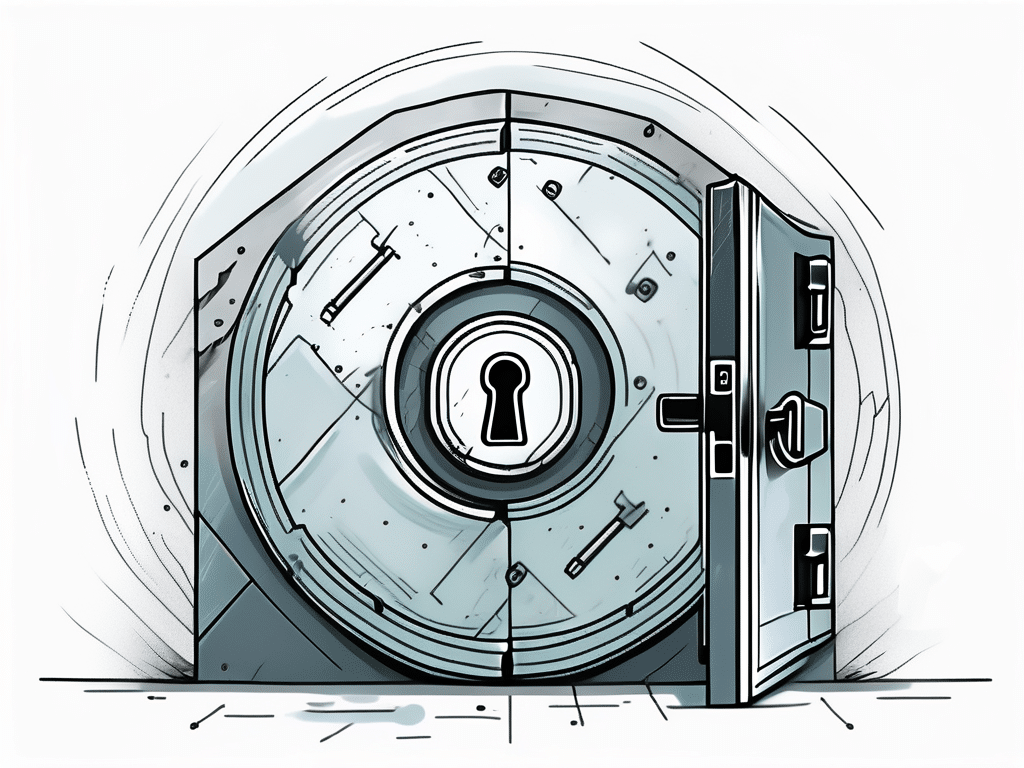
AI translation leads to serious privacy risks, especially when processing sensitive data. There is a risk of data loss, unlawful access, or improper personal information storage. To get over these challenges, it is crucial to incorporate such strong security measures as encryption and rigorous data handling guidelines.
Data Leaks and Breaches
AI translation systems learn from a large amount of data, so as to enhance the quality of their translation. Personal messages, secret business contracts, and sensitive reports may be stored or accessed without your knowledge once they reach an AI translation system. Many firms employ translation memory to save previously translated terms for future usage.
However, if the content is not safely secured, hackers or unauthorized individuals may have ability to access it. The 2020 hack of an AI translation service exposed private government information and illustrates the possible dangers if these systems are not properly secured.
Data Retention and Usage Policies
When working with AI translation, it is significant to look into what happens to your data after it has been processed. Some services save user data to improve their models, while others may anonymously store or remove it after use. Most users don’t know how their data is managed, exposing themselves to misuse or illegal disclosure.
For instance, free translation programs such as Google Translate may keep input data to improve the system’s efficiency, creating issues about sensitive information handling. It is critical to study privacy policies to ensure that the AI translation service you select respects your privacy and is in accordance with data protection requirements.
Lack of Encryption
Strong encryption is required for data security during AI translation. Without sufficient encryption, data exchanged over these services can be stolen.
Private information presents an important privacy risk if it is not encrypted during its storage or transfer. The best defense is end-to-end encryption, which makes sure that the translated text is only available to the designated recipient.
Misuse of Translated Content
Even when data is made anonymous, there is still a risk of abuse. Poorly controlled AI translation systems, particularly free ones, may use translated content for purposes outside your control.
For organizations, this might entail disclosing confidential information, while for individuals, personal data could be jeopardized without their awareness.
Real-Life Scenarios of Privacy Breaches
There have been real-world cases when AI translation services have jeopardized privacy. Consider a law firm using AI translation for an important legal contract; if that data gets lost or disclosed, it might have grave consequences for their client.
Similarly, a healthcare provider using AI translation may unintentionally violate patient confidentiality by translating medical documents without fully understanding the service’s privacy policies.
In another example, staff at an established firm employed AI translation for internal discussions, including trade secrets. This data was exposed because of poor safety procedures, allowing competitors to access important private information. Such incidents illustrate the importance of considering privacy risks before handing vital data to AI translation services.
5 Ways to Safeguard Your Data While Using AI Translation
To protect your data while using AI translation, there are some precautions you can take beforehand. Here are five of the top ones:
Read the Privacy Policies
Check the privacy policy of any AI translation service carefully before using it. The use and processing of your information are outlined in these policies. Watch out for services that could give your information to individuals who are not affiliated or keep it for a long time. Verify that you are aware of the data management procedures.
Opt for End-to-End Encryption
Make sure your AI translation platform provides end-to-end encryption for important translations. This guarantees that your data is encrypted, from input to output, during the entire process. End-to-end encryption keeps unauthorized users from accessing your stuff.
Limit the Use of Sensitive Information
When using AI translation, try to avoid translating very sensitive text. To reduce risk, vital information should be removed or anonymized. For example, instead of translating a whole legal contract, consider translating only non-sensitive sections or using substitutions for important details.
Take Internal Security Measures
Businesses are supposed to blend secure AI translation services with strong safety measures. This may include offering secure networks, limiting access to important information, and training staff on proper methods of managing sensitive data. Strong password guidelines and multi-factor authentication (MFA) are more tools for preventing unauthorized access.
Choose a Prestigious Provider
Not every AI translation service prioritizes privacy. It is significant to choose a platform offering solid safety features. When choosing a service, look for clear privacy policies and a strong dedication to data protection.
The Future of Privacy in AI Translation
As AI translation advances, so do solutions for safeguarding privacy. One intriguing approach is differential privacy, which introduces random noise into data to make specific pieces of information untraceable while yet allowing AI systems to learn from it. This strategy strikes a balance between boosting AI translation and protecting user privacy.
With expanding rules guiding AI and data security, businesses will need to adapt and guarantee that their AI translation technologies meet emerging legal standards. Staying on top of these changes is crucial for businesses to leverage the power of AI translation while safeguarding their sensitive information.